

© Pint of Science, 2026. All rights reserved.
Do you want to know how local scientists are Keeping Tabs on our World? Join us as we cover a range of topics including how tech is used to protect and detect birds across Dundee when we are not looking. In shorter ‘Shots of Science’ we will also hear about issues facing farmers through fertilisers, and how we can use light to fight potato diseases!


Dr David Martin
Dr David Martin
(Senior Lecturer at the University of Dundee)
Stop and listen. What can you hear? One of the most ubiquitous natural sounds is that of birdsong. We might also catch a glimpse of a bird which lets us identify them but then have to hurry on. In a world where we are increasingly concerned about biodiversity loss and urban regeneration, listening for birds is emerging as a key technology for understanding what is happening when we are not looking. The advent of Machine Learning (AI in a suit) has allowed the development of low cost bioacoustic monitoring. We have established a network of these detectors across the Dundee area, constantly listening, and this talk will explain what they are, how they work, and what they can tell us about birds in and aroudn our city (and what they get wrong).

Sophie Blenkinsopp
Sophie Blenkinsopp
(PhD student)
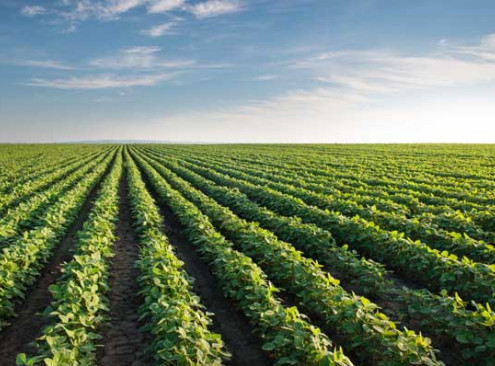
Investigating the impact of inhibitor products in fertilisers on crop fertiliser use efficiency, and nitrous oxide emissions. In aim of reducing greenhouse gas emissions in barley growing. Nitrogen fertiliser production and pollution is one of the biggest contributors to carbon footprints in arable farming. When fertiliser is applied to crops it needs to be transformed in the soil by microbes to make nitrogen products available for plant roots to access. This process often creates nitrous oxide, a potent greenhouse gas instead of desired N products. Fertiliser additive products such as nitrification inhibitors and urease inhibitors are advertised as a way of reducing loss of applied nitrogen as nitrous oxide. My research explores how effective these products are at reducing nitrous oxide emissions, and the potential effect they may have on the efficiency of nitrogen use in crops.
David McLean
David McLean
(PhD Student at the University of Dundee)
I conduct research on Phytophthora infestans, the pathogen that causes potato late blight disease. I look into how the Phytophthora infestans manipulates the plants own light signalling and how we could potentially use light for defence against the disease.

Caishlan Sweeney
Caishlan Sweeney
(Project Engagement Manager, Eden Project)
TBA - The Eden project Dundee

Map data © OpenStreetMap contributors.
Other Futtle events
2026-05-20
Evolving the Future
Futtle
40 Commercial St, Dundee, DD1 3EJ, United Kingdom
2026-05-19
Decoding Nature’s Code
Futtle
40 Commercial St, Dundee, DD1 3EJ, United Kingdom